Property Investing without the costly overheads of Stamp Duty, Interest Rates, Land Taxes or Tenants.


Stack the Odds in Your Favour
Ditch The Old Playbook
Break-free from the burdens of traditional property ownership

No Stamp Duty or Land Tax
Keep capital in your pockets and avoid hefty startup and operational costs.
No Banks and High Interest Rates
Dont let the banks eat into your margins. Direct access to real estate investing, debt-free.

No Negative Cashflow
Positive ROI from day one, and no cash out of pocket to service the asset.

No Tenant Overheads
Collect returns without landlord headaches. Done for you tenant management and admin duties. You just get paid and grow wealth.



Methodology
The Property Laddr Method
Through our working model we are able to achieve access to high performant assets without the burdens of traditional ownership.


01
Onboarding
Create your Property Laddr account and complete KYC/AML verification.
02
Property Partners
We partner with existing property owners assessing high-performing opportunities for investor access.
03
Investment Property Offering (IPO)
Selected Properties are listed as IPOs which sets clear terms such as funding required, potential returns, and exit options.

04
Acquire Brix Aligned to Your Goals
Choose your level of exposure in the form of 'Brix'. The IPO is deemed fully funded once target is achieved.
05
Settlement and Secure Processing
Licensed conveyancers handle settlement including compliance and closing funds.

06
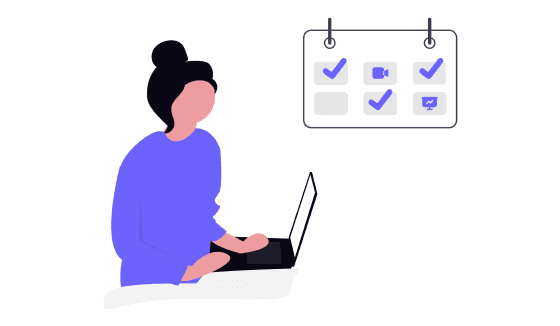
Monitor Positions
Once complete, your investment will appear and can be tracked in your portfolio dashboard in App. You can also choose to be notified of new opportunities.




FAQs
Your questions answered
Here are the most common questions.
What makes Property Laddr different from traditional property investing?
Property Laddr gives investors a more flexible way to access property returns without the traditional barriers. Instead of buying an entire property, you invest in fractions of carefully assessed assets and participate in potential rental income and capital growth. Property owners retain legal title and manage the property, reducing the operational burden. This structure supports diversification and portfolio-style investing with lower entry amounts.
Are the investments secured against property?
How do investors earn returns?
How are properties selected?
Who can invest through Property Laddr?
Is Property Laddr regulated?
How is my investment tracked?
How do I exit my investments?
Who maintains and manages the Property?
Whats stopping a property owner from selling?
How do you differ from other fractional methods like BrickX or REITs?
Can I invest in Development Projects or Commercial?
What is blockchain tokenisation and why use it?
Is Property Laddr a cryptocurrency?
How does MyBrix fit in with Property Laddr?
How do I get started?